
A cataract is a clouding of the natural lens of the eye. It usually develops gradually with age and can cause blurred or hazy vision.
What are the symptoms of cataract?
Common symptoms include:
- Blurred vision
- Difficulty seeing at night
- Increased sensitivity to bright lights or glare
- Less vivid colours
- Frequent changes in spectacle power
Cataracts usually develop slowly, so you may not notice the changes initially.
What causes cataract?
Ageing is the most common cause of cataract. Other factors such as diabetes, previous eye injury or surgery, prolonged steroid use, and excessive exposure to ultraviolet (UV) light can also increase the risk.
How is cataract treated?
In the early stages, better lighting or updated spectacles may help improve vision. However, surgery is the only definitive treatment for a cataract.
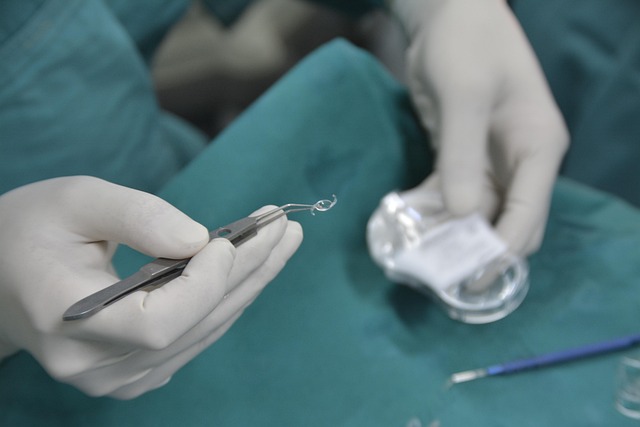
Modern cataract surgery involves removing the cloudy natural lens and replacing it with an artificial intraocular lens (IOL). The choice of IOL depends on your eyes, lifestyle and visual requirements.
If cataract is affecting your daily activities, an eye examination can help determine whether surgery is appropriate.
Regular eye examinations are important for detecting cataract and other eye conditions early.